
Heart Cabochon Sizes: Define the Reference Points
Record a heart cabochon size by naming the exact offered version, the dimension being described and the reference points used. Keep the catalogue size label separate from an identified sample result. Ask the supplier to confirm units and the relevant dimensional reference before the buyer accepts a size statement for a bulk order.
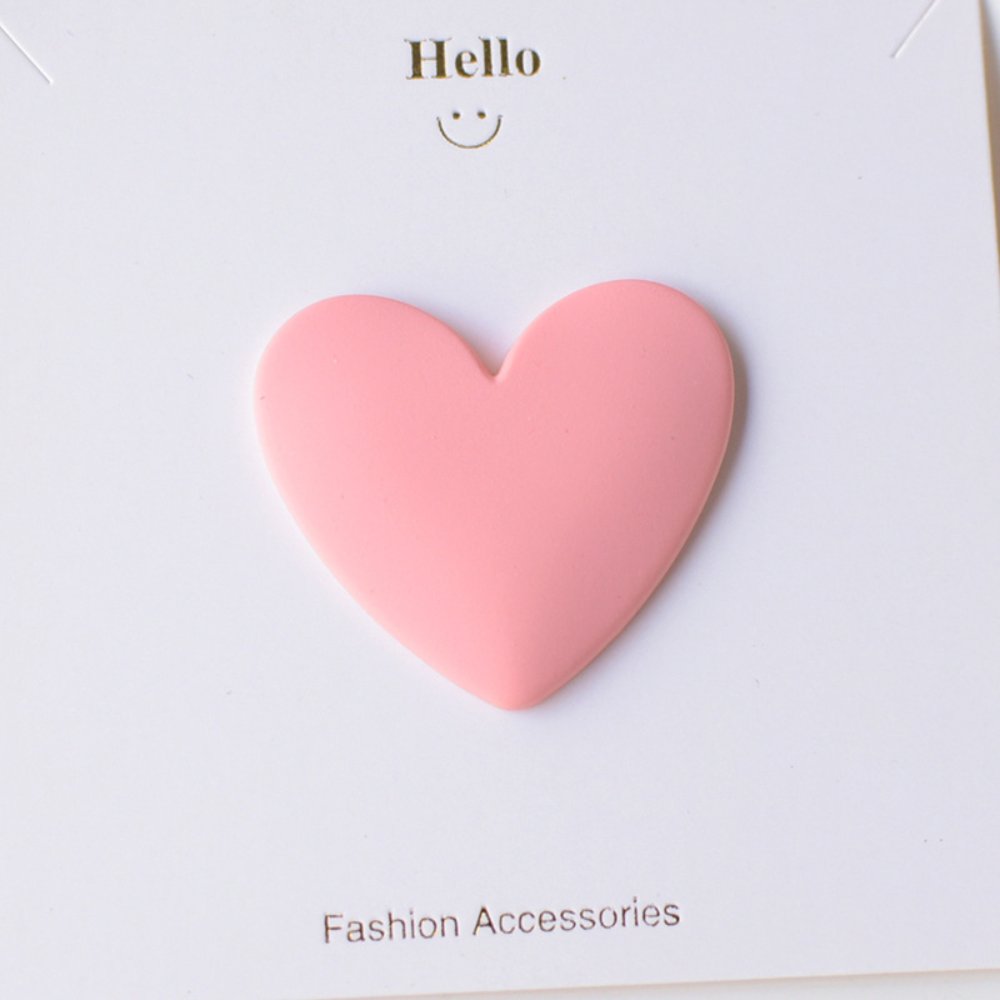
Catalogue appearance reference for heart-shaped decorations. The image contains no approved measurement scale or identified dimensional reference points.
Treat the catalogue size as a statement to clarify
The 35mm Heart Resin Cabochons listing includes 35mm in its product name. The reviewed offer does not identify the endpoints or dimensional attribute represented by that title label. Retain the wording with its source and ask which dimension it describes for the exact offered version.
For wholesale resin accessories, a nominal size label can help locate an offer while leaving an important purchasing question open. The buyer still needs a clear dimensional reference. Do not turn the title into a measured width, height or thickness without the supplier response and the relevant evidence.
Name the dimensional attribute before comparing values
A heart outline can be described through different linear attributes. Ask the supplier to name the attribute covered by its size statement and identify the relevant points on a labelled reference. Keep that answer with the offer so a dimension for one part of the outline is not compared with a different attribute from another supplier.
If the buyer needs more than one dimension, request each one separately. Record the units and the reference used for each field. A single catalogue size should not silently fill every dimension in a buying specification, and an appearance image should not supply missing values.
Use an explicit dimensional-reference record
The following fields organise a size enquiry without inventing measurements or manufacturing tolerances. Ask the supplier to complete the record for the selected offer. Any field that has not been confirmed should remain visibly unresolved.
Record field
Question to resolve
Evidence to retain
Offer identity
Which exact heart cabochon version does the statement cover?
Product URL and supplier reference
Nominal label
Which published size wording prompted the enquiry?
Original catalogue wording and its source
Dimensional attribute
What dimension does the label represent?
Supplier definition for that specific field
Reference points
Where does the stated dimension begin and end?
A labelled supplier reference
Units and presentation
Which units and sample orientation apply?
The stated basis beside the value
Sample association
Which received sample supports a reported result?
Sample identity and relevant record
Acceptance basis
What dimensional requirement has been agreed?
An accepted reference and any unresolved conditions
The display card is an appearance context, not an agreed ruler or dimensional datum for the heart.
Keep catalogue images outside the measurement record
The gallery shows loose-looking hearts, a heart on a display card and an application scene. These images help identify the appearance being discussed. They do not provide an approved measurement scale or define the endpoints used for a size statement.
Do not estimate a dimension from the display card, the cases, a hand or the apparent proportions of the image. Their own dimensions and relationship to the pictured heart have not been established as a measurement reference. Ask for a suitable labelled reference for the actual offered item instead.
Connect a sample result to the same reference
When a sample is available, identify it before placing a reported result beside the catalogue label. Keep its model or version reference, the attribute reviewed and the relevant record together. A result with no sample identity cannot reliably clarify the size of the selected offer.
Ask the supplier to explain any difference between the nominal wording and a sample report using the same attribute and reference points. Do not resolve the difference by changing the attribute, rounding the value or borrowing a dimension from another colour or product picture. Keep the question open until the relationship is clear.
Application appearance reference only. The cases and hands do not establish a scale or prove the dimensions of the pictured decorations.
Define the buying requirement separately from the catalogue label
State the dimension that matters to the intended purchase and ask whether the selected offer meets that requirement on the agreed basis. Any tolerance or acceptance condition needs its own supplier response. This record supplies no default tolerance and does not establish fit with another component or application.
If different versions are proposed, retain a dimensional reference for each one. A common heart shape or similar appearance does not establish identical dimensions. Keep the selected version clear so a later response for another item does not replace the accepted reference by mistake.
Retain changes in the order record
Carry the accepted size statement and its reference into the order documents. If the supplier later changes the nominal label, reference points or proposed version, request an identified revision. Retain the earlier response so the buyer can see what changed and which dimensional basis was accepted.
The useful outcome is a traceable statement rather than a guessed number. Price, order quantity and delivery terms still require a supplier response for the defined offer. A clarified size record establishes neither those commercial commitments nor an independently verified material or application performance.
Keep the nominal title label with its source.
Name the dimensional attribute and reference points explicitly.
Link each reported result to an identified sample.
Retain agreed requirements and later revisions together.
Frequently asked questions
Does 35mm in the title establish a measured width?
The title gives a nominal label. Ask the supplier which dimension and reference points it describes before treating it as a measured width.
Can the display card serve as a ruler?
Its dimensions and relationship to the pictured heart are not established as an agreed measurement reference. Request a suitable supplier reference.
Does one size label establish thickness as well?
Request each required dimensional attribute separately. Do not apply one title value to additional dimensions without confirmation.
What should happen when a sample report differs?
Keep the sample identity and dimensional basis visible. Ask the supplier to reconcile the statements using the same attribute and reference points.
Send the selected product and dimensional-reference questions through Cy Accessories contact. Review actual offers in the product catalogue and other purchasing topics in the article archive.
#Heart Cabochons#Nominal Sizes#Dimensional References#Sample Records#Resin Accessories