
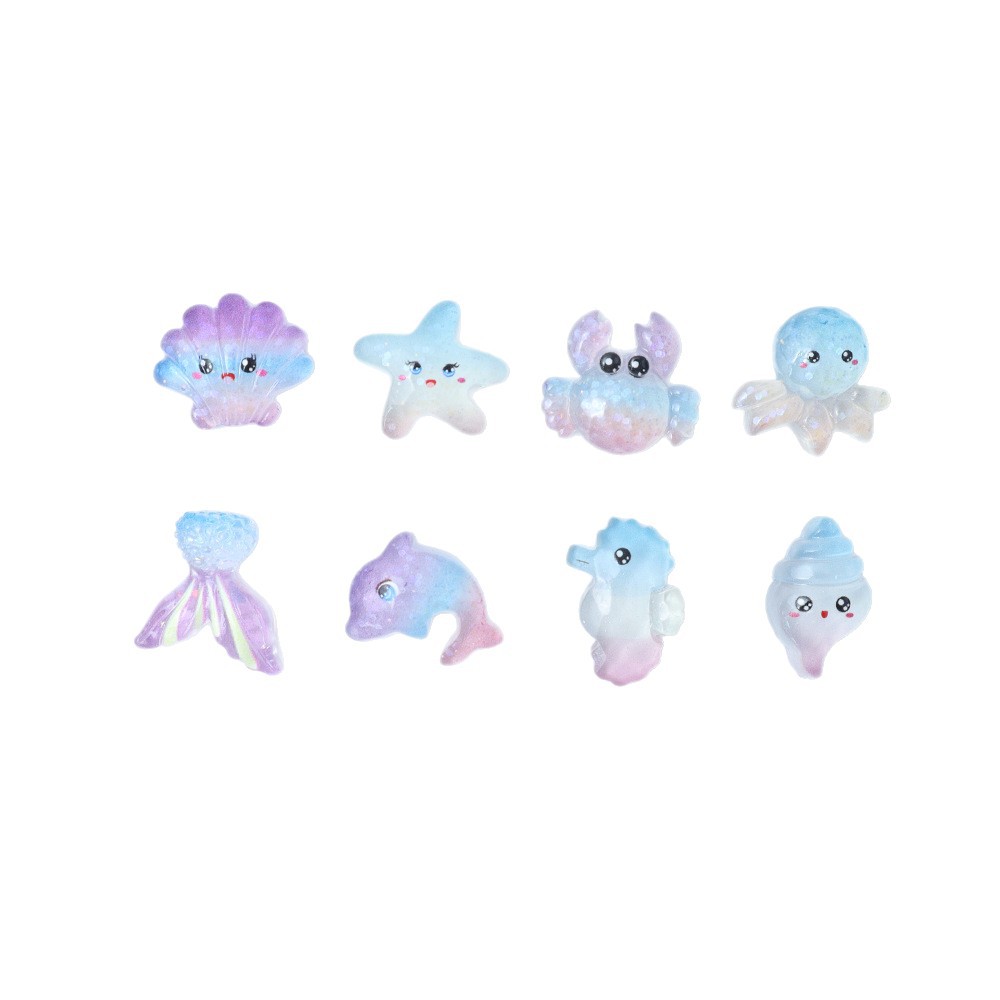
Ocean Charm RFQs: Identify Each Shape Revision
What identifies the shape of an ocean animal charm in a quote?
For each ocean animal charm, ask for the supplier’s shape code or written equivalent, an identified physical sample, and a dated front reference showing the outline and the feature that distinguishes the shape. Put those references on the quotation line. If the supplier proposes a different outline under the same name, ask it to identify the new version for review.
The Ocean Animal Resin Charms listing shows several visible motifs together, including a starfish, a crab and more than one shell-like silhouette. Use the pictures to mark the shapes of interest. Ask the supplier to state which shapes it can quote and how it identifies the physical version of each selected piece.
Use the catalogue group to mark a specific outline. Ask the supplier which shape that reference represents.
Give each selected outline a temporary buyer reference
Mark the selected charm on a copy of the gallery image before sending the inquiry. Use a brief name and a reference that stays with that particular pictured piece. For a shell, describe the outline that drew your attention. A fan-shaped outline and a pointed spiral outline can both be called a shell in an email, even when the buyer has selected only one.
Ask the supplier to return its corresponding part or shape code. Where it does not use a formal code, ask for an agreed description plus an annotated reference with a date or revision. Preserve the buyer’s original reference in the same line so the returned quotation can be traced to the selected piece.
This view groups the motifs differently. Keep the selected outline tied to the marked reference and sample.
Ask what makes the physical shape identifiable
Request a front view of the offered sample and ask the supplier to point to the feature that distinguishes it from a similarly named choice. A crab can be marked at its claws and a starfish at the outline of its arms. The marks are visual identifiers for the offer. Any requested physical dimension belongs on a separate measurement record with its own endpoints.
If the supplier uses a different image to represent a shape, ask it to show how that image corresponds to the physical sample and to the originally selected motif. Keep the dated sample reference in the reply. A change in the background or arrangement of the pictures is a reason to check their correspondence before accepting the offer.
Buying field
Requested supplier response
Buyer selection
Name the motif and mark the specific piece in the reference image.
Supplier identity
Return the shape code or equivalent written identifier for the selected piece.
Distinguishing feature
Identify the specific outline or feature used to recognize the shape.
Physical sample
Provide its identifier and the dated front image or annotated reference.
Proposed alternative
Give a separate line for an offered shape with a changed outline or feature.
Quote link
Connect the accepted reference and revision to the named quotation line.
Keep a shape change visible through quotation review
If the supplier proposes an alternative, ask for the same front view and distinguishing feature beside the earlier approved image. A buyer may accept one version and leave another open while waiting for a sample. Keep those decisions on separate lines so the purchasing team can see which shape has actually been reviewed.
The Resin Apple Dog Figurines listing is a separate catalogue item. Its group photograph is useful as a reminder to preserve the product family alongside the shape reference. Keep any pictures from a different item outside the ocean charm approval record, even when the same supplier displays them in one catalogue.
These figures are a different product. Keep the ocean charm’s shape reference within the correct product family.
Bind the approved sample to the next order
After sample review, record the shape code and date of the reference against the quotation line. If another lot or sample is later offered under the same description, ask whether the approved outline and identifying feature still apply. Where the supplier proposes a changed version, request a new view and record the decision before updating the accepted line.
The ocean animal product overview discusses the broader assortment. Send the specific shape selection and requested references through the supplier contact page. Ask the supplier to reply against each selected motif so the purchase record shows what has been confirmed and which shape still needs a sample.
Identify the specific outline selected in the group photograph.
Use the supplier code, identifying view and sample reference together.
Keep an altered outline on a separate quotation line until approved.
Buyer FAQ
Is a name such as shell enough to identify the piece?
Mark the intended silhouette and request the supplier’s matching shape code or dated reference. Similar names can describe different pictures.
What if the supplier has no separate shape code?
Ask for a written identifier tied to an annotated image and the physical sample it represents.
How should an alternative be handled?
Have the supplier identify the alternative and provide an equivalent reference view before the buyer decides whether to approve it.
Does the catalogue grouping define the shapes supplied together?
Ask the supplier which shapes it can quote and record each selected shape in the order scope.
wholesale ocean animal resin charmsB2B supplier sample record