
Kitten Charm Packing: Define Piece Separation
For wholesale 3D kitten resin charms, request a packing layout that shows whether individual pieces touch, which surfaces face the separation material, and how the supplier will keep that arrangement consistent. Approve the proposed layout with identified samples before making it part of an order. A catalogue group photograph identifies decorative pieces; it does not establish the bag, divider, tray or protection supplied with a shipment.
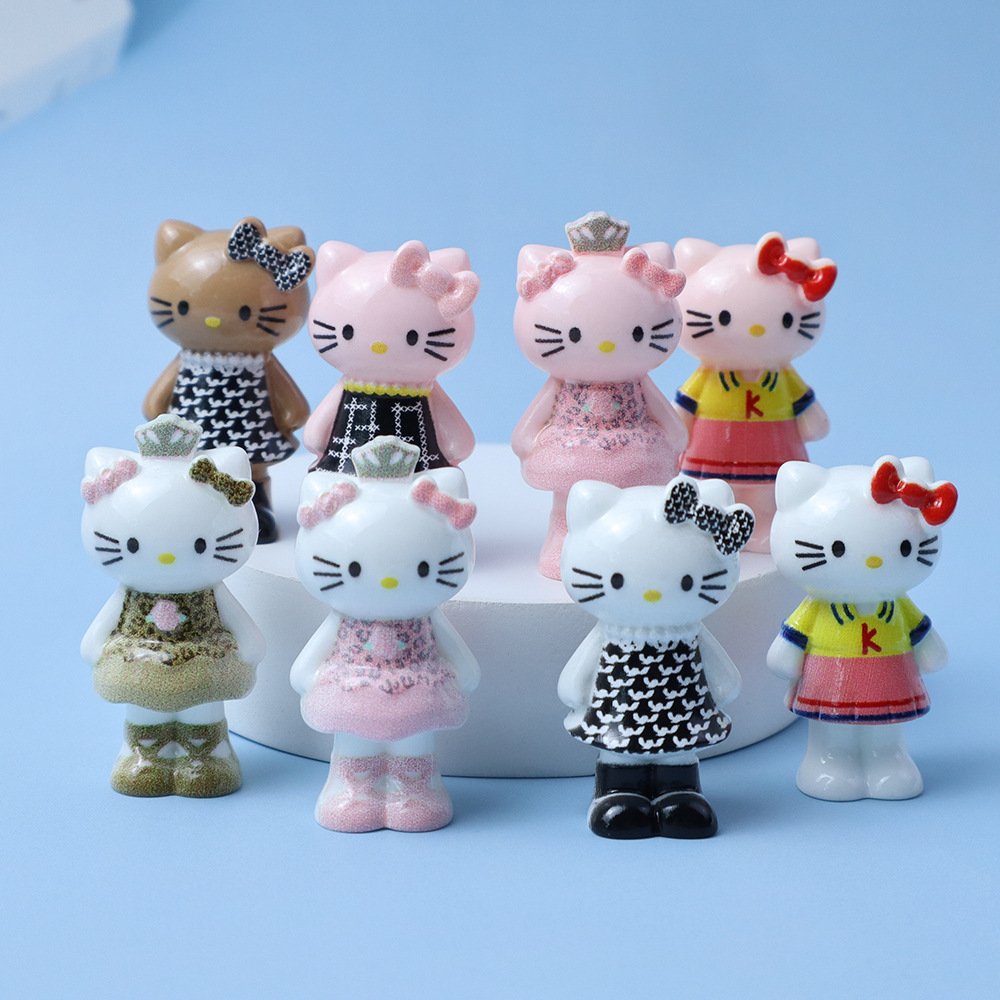
Official product-gallery appearance reference for this supplier enquiry. The photo does not depict the proposed packing arrangement or prove its specifications.
Start with the offered charm and packing level
The saved official listing identifies a 3D Kitten Resin Charm and presents several body and outfit appearances. This article uses those photographs as product references for a packing enquiry. It does not treat the display arrangement as an offered pack, an agreed assortment or a tested shipping configuration. Ask the supplier to name the exact offered charm reference and the packing level covered by its reply: individual piece, small group, inner pack or outer carton.
Give the packing enquiry a reference separate from the colour approval. A buyer may accept a decorative appearance while still needing to review how pieces sit together. Include the sample identity, proposed quantity at the selected packing level and a photograph of the open proposed pack. The quantity is a field for the supplier to confirm. Neither the number of objects visible in a gallery nor a product weight defines the number included in a commercial packing unit.
Draw the proposed contact arrangement
Request an overhead picture or simple layout that identifies each occupied position and the boundary between adjacent pieces. Ask which parts of neighbouring pieces can meet when the pack is closed. The visible photographs include raised-looking ears, bows, crown-like details and decorated body regions. Use these as areas to identify on the proposed layout, without assuming a particular material strength or declaring that any feature will withstand a transport load.
For a grouped arrangement, ask whether separation is provided between pieces, between layers, or only around the whole group. If the proposal uses a sheet, pocket or insert, obtain its identification and the position in which it will be supplied. The purpose is to make the supplier response repeatable. A general statement such as protective packing leaves open which surfaces it separates and whether the buyer can recognise the approved arrangement on arrival.
Official product-gallery appearance reference for this supplier enquiry. The photo does not depict the proposed packing arrangement or prove its specifications.
Buying field
Requested supplier response
Product reference
Identify the offered charm and the exact sample used to review the packing.
Packing level
State whether the picture describes one piece, an inner group or a larger shipping unit.
Piece positions
Show each proposed position and which neighbouring surfaces may meet.
Separation material
Identify any proposed pocket, divider or sheet and where it sits.
Closed condition
Provide the same sample arrangement with the proposed pack closed.
Approval reference
Record the packing revision and any buyer questions that remain unresolved.
Use a sample pack to answer one defined question
A useful sample request asks the supplier to assemble its proposed packing around the identified offered items and document that arrangement. Agree who will inspect it, which observations will be recorded and whether an additional handling or transport assessment is required for the intended distribution route. This guide does not prescribe a test method, pass limit, cushioning thickness or number of layers. Those details depend on the buyer requirement and supplier proposal.
Keep the observations separate from conclusions. For example, a receiver can record that an insert moved from its pictured position, that two pieces arrived in contact, or that a visible mark was present. An observation should identify the sample, position and photograph. Deciding the cause or changing a packing material requires a further supplier response. The initial record should retain the arrangement that was actually supplied, rather than replacing it with a new layout and losing the comparison.
Keep replacements and changes traceable
Ask the supplier how it will identify a change to the arrangement after the sample is approved. A different inner count, piece orientation or divider shape can change the contact pattern even if the outer package looks similar. Put the agreed packing reference beside the offered product reference in the purchasing document. If a packing component is substituted, request a clear description and new arrangement images before treating the substitute as covered by the earlier approval.
At receiving, compare the opened pack with the approved layout and record any difference at the correct packing level. Keep product appearance checks and packing arrangement checks as separate fields. A mixed-style delivery needs its own agreed style and quantity schedule; the physical separation record does not decide that schedule. This distinction helps buyers follow up a packing discrepancy without silently changing the commercial assortment or the accepted appearance reference.
Official product-gallery appearance reference for this supplier enquiry. The photo does not depict the proposed packing arrangement or prove its specifications.
A concise supplier enquiry checklist
Send the enquiry with the selected catalogue reference, the buyer packing level, an indication of the intended receiving workflow and the open questions. Request a proposed layout, an open-pack image and a closed-pack image of the same identified sample. Ask the supplier which packing components are included in the quotation and which are optional. Obtain those answers for the actual offer; this article makes no claim about an included container, connector, minimum order quantity or production lead time.
Identify the product and sample independently of the packing revision.
Mark piece positions and separation boundaries on the proposed layout.
Record unresolved contact or material questions before approving a sample pack.
Buyer FAQ
Does a group photograph prove the supplied pack quantity?
No. It shows a catalogue presentation. Ask the supplier to confirm the quoted packing unit and its piece count, then keep that commercial answer alongside the separate physical layout reference.
Must every charm be placed in an individual bag?
The photographs do not establish a required packing method. Request the supplier proposal for the buyer distribution conditions and review the proposed contact arrangement before choosing a specification.
Can the product photographs prove transport protection?
They identify visible product appearances. They do not show a completed shipping pack or provide a transport assessment. Agree any required evaluation separately and record its scope with the packing sample.
What should change when a divider is replaced?
Ask the supplier to identify the replacement, show its position and explain any arrangement change. Decide whether another sample review is needed before extending the previous packing approval.
Where should the packing enquiry begin?
Use the actual offered item on the official product page, then request a proposed sample arrangement through the supplier contact channel. Keep the product reference, packing revision and remaining questions together.
Review the official kitten charm listing, keep related buying questions in the supplier blog, and send the identified packing enquiry through the contact page. Confirm the actual offer before using a packing reference for an order.
wholesale 3d kitten resin charmsB2B supplier sample record